



WooCommerce

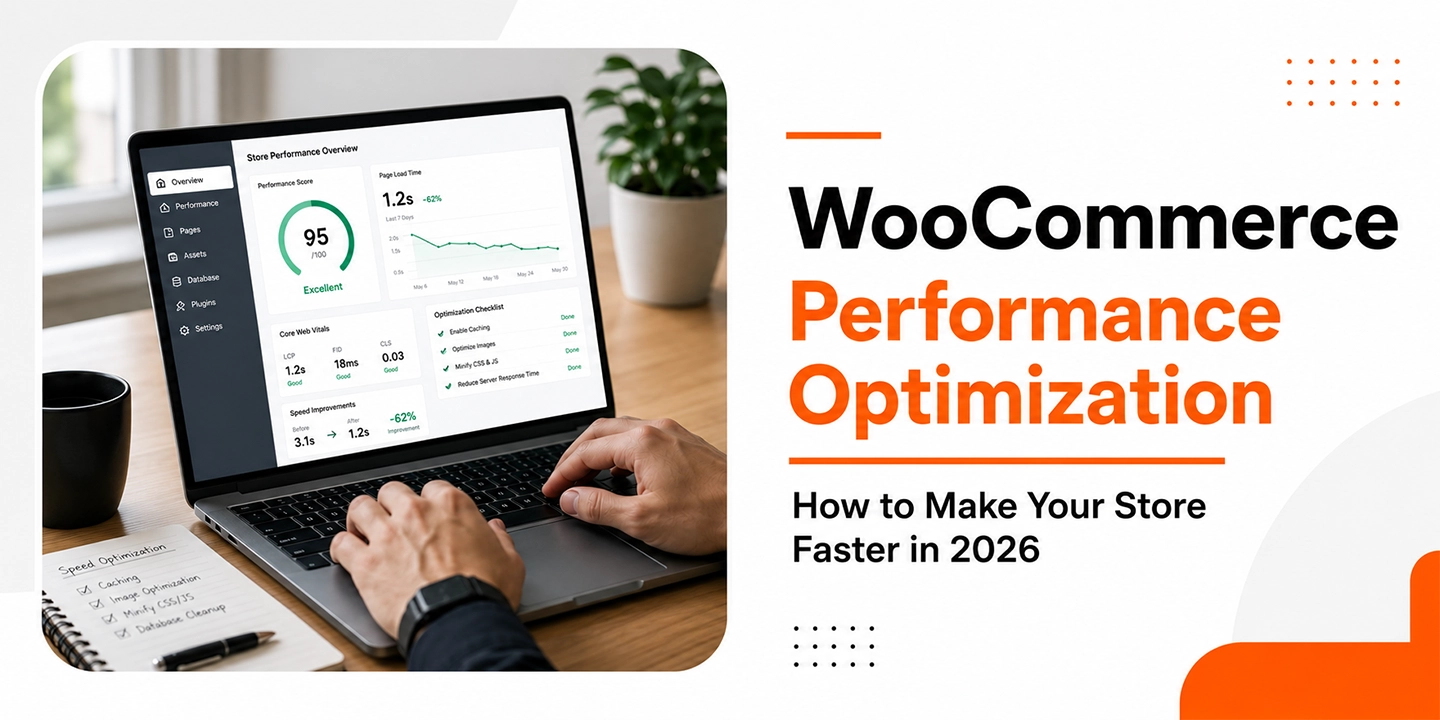
WooCommerce Performance Optimization: How to Make Your Store Faster in 2026

Frequently Asked Questions

WooCommerce stores can become slow because of hosting limits, heavy themes, plugins, large images, database queries, tracking scripts, product variations or external integrations. Start by testing different page types and measuring server, browser and database performance. Avoid installing random speed plugins until you know which part of the store is creating the delay.

Start with measurement. Check hosting response time, Core Web Vitals, image size, theme assets, plugins, database queries and third-party scripts. Configure caching correctly and consider a CDN for static assets. Complex stores may also need code-level work, database tuning or changes to how external integrations run.

There is no single WooCommerce-specific load-time target. Google's Core Web Vitals are more useful benchmarks. Aim for LCP of 2.5 seconds or less, INP of 200 milliseconds or less and CLS of 0.1 or less at the 75th percentile of visits. Real checkout and product-page behavior should also be tested.

Not automatically. Large catalogs can perform well when hosting, database queries, indexing, search, filters and product data are designed properly. Problems usually appear when catalog size combines with complex variations, inefficient queries, large metadata tables or heavy filtering. A store with 50,000 products needs a different technical approach from one with 100.

Some can, but plugin count alone is a poor measure. One inefficient plugin can consume more resources than several lightweight plugins. Test database queries, PHP execution, frontend assets, AJAX requests and background jobs before deciding which plugin is responsible. Removing plugins without investigation can also remove features without solving the performance problem.

Yes. Hosting affects CPU availability, memory, PHP processing, database response and the store's ability to handle simultaneous requests. Large catalogs, logged-in users, checkout traffic and background jobs can increase resource requirements. Before moving providers, confirm that server resources are actually limiting performance rather than inefficient code or database activity.

A CDN can improve delivery of images, CSS, JavaScript and other static files, particularly for customers far from the origin server. It does not fix every performance problem. Slow database queries, inefficient PHP code or delayed external APIs still need to be addressed at the application or server level.

Measure which checkout requests are slow first. Payment gateways, shipping rates, tax services, address validation and custom business rules can all introduce delays. Avoid blindly caching checkout pages. Review AJAX activity, API response times, database queries and unnecessary scripts, then test changes in staging before releasing them to customers.

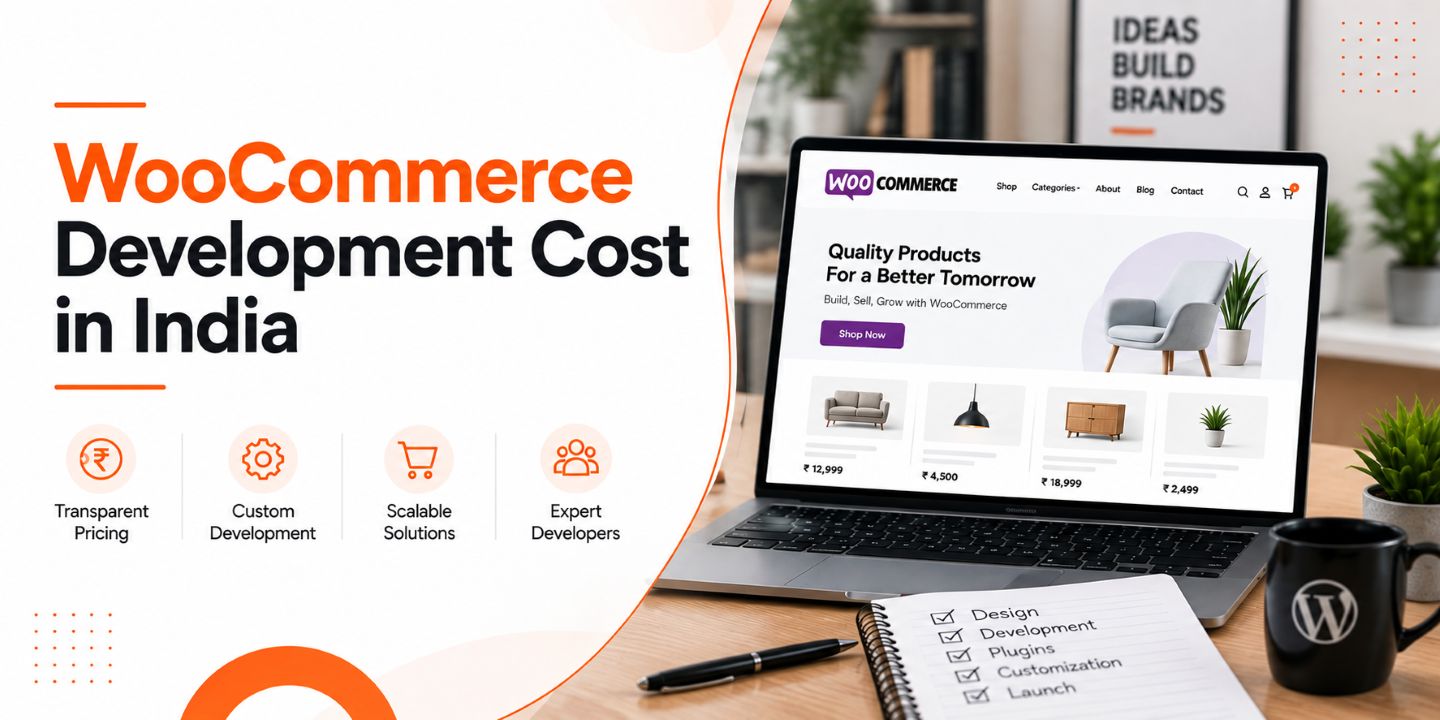
Pricing depends on the problem. A basic performance audit and frontend cleanup costs far less than work involving custom code, database architecture, checkout logic, ERP integrations or large catalogs. When comparing WooCommerce development services in India, request a defined audit scope, expected deliverables, testing process and assumptions rather than choosing only by hourly rate.

Hire a WooCommerce expert developer in India when basic performance changes do not solve the issue or when custom themes, integrations, checkout logic, B2B functionality, database queries or large catalogs are involved. An experienced developer should diagnose the bottleneck first, explain the risks and test changes in staging before making production changes.

ShopifyWooCommerce

WooCommerce vs Shopify for Indian Businesses: Cost, Control, and Growth Compared

Frequently Asked Questions

WooCommerce has no core subscription, but the business must pay for hosting, extensions, development, security, and maintenance. Shopify charges a subscription that includes hosting and core infrastructure. WooCommerce may be cheaper for a basic store, but complex stores can cost more to maintain.

Yes. Shopify is suitable for small businesses that want to launch quickly and avoid managing servers. Merchants should still calculate payment-gateway fees, applications, design, and transaction costs before selecting a plan.

Yes. Cash on delivery can be configured as a manual payment method, and Shopify does not charge third-party transaction fees on manual payments.

Yes. WooCommerce can support UPI through compatible Indian payment-gateway plugins or custom API integrations. The integration should be tested for refunds, webhooks, payment failures, and order updates.

WooCommerce provides greater direct control over hosting, code, databases, templates, and checkout behaviour. Shopify provides extensive customization through themes, applications, APIs, and custom development but remains a managed platform.

Businesses should hire expert Shopify developers in India when they need custom theme development, migration, application integrations, speed improvements, complex catalogue configuration, or long-term technical support.

A business should hire a dedicated WooCommerce developer in India when it requires custom plugins, specialized checkout logic, ERP integration, performance optimization, migration, or ongoing technical maintenance.

Shopify is generally easier to scale operationally because infrastructure is managed. WooCommerce can offer greater long-term flexibility and ownership, but the business must invest in suitable hosting, security, architecture, and maintenance.

WooCommerce

Best 7 WooCommerce Developers in India for Food and Grocery Ecommerce Stores

Frequently Asked Questions

DIT India, DIT Interactive, LapaOne, 9eCommerce, Midnay, Dolphin Web Solution, and Elsner Technologies are good options for businesses looking for WooCommerce developers in India. The best company depends on your project size, feature requirements, budget, and support needs.

Yes, WooCommerce is a good platform for grocery ecommerce websites because it is flexible, customizable, SEO-friendly, and built on WordPress. It can support product categories, coupons, payment gateways, customer accounts, delivery options, and custom features.

The cost depends on design quality, number of products, custom features, payment setup, delivery flow, plugin requirements, and ongoing support. A basic WooCommerce grocery website costs less, while a custom store with advanced features needs a higher budget.

A WooCommerce grocery store should include product categories, search, filters, cart, secure checkout, payment gateway, coupons, delivery options, product images, stock status, customer login, mobile-friendly design, and SEO-ready product pages.

Yes, many WooCommerce development agencies in India offer dedicated developers for custom development, plugin work, theme customization, integrations, performance optimization, and ongoing maintenance.

Ahmedabad, Mumbai, Delhi NCR, Bangalore, Pune, Hyderabad, Chennai, and Jaipur are common locations where businesses search for WooCommerce developers and ecommerce development agencies in India.

Check their ecommerce portfolio, WooCommerce experience, technical skills, design quality, communication process, support model, pricing, and ability to handle grocery-specific requirements like delivery rules, coupons, inventory, and mobile checkout.

WooCommerce

Leading WooCommerce Development Firms in Gujarat for Growing Ecommerce Brands

Frequently Asked Questions

A WooCommerce development company helps businesses create, customize, and improve online stores. They work on website design, development, integrations, performance improvements, and ongoing technical support.

WooCommerce gives businesses flexibility, customization options, and control over their ecommerce website. It allows brands to create unique shopping experiences while managing products and operations easily.

Yes, businesses can hire WooCommerce developers in Gujarat for creating new stores, improving existing websites, adding custom features, and providing long-term ecommerce support.

Custom WooCommerce development means creating unique website features, designs, and functions according to a business’s specific requirements instead of using only standard solutions.

The cost depends on several factors including website size, design needs, custom features, integrations, product quantity, and the amount of development work required.

Yes, WooCommerce is suitable for small businesses because they can start with basic features and add advanced functionality as their business grows.

The timeline depends on project complexity. A simple store may take a few weeks, while a customized ecommerce website with advanced features may require more time.

Look for ecommerce experience, technical expertise, customization ability, communication, and a company that understands your business goals before making a decision.

Got a Project or Partnership in Mind?

    100% secure, no spam.