


Frequently Asked Questions
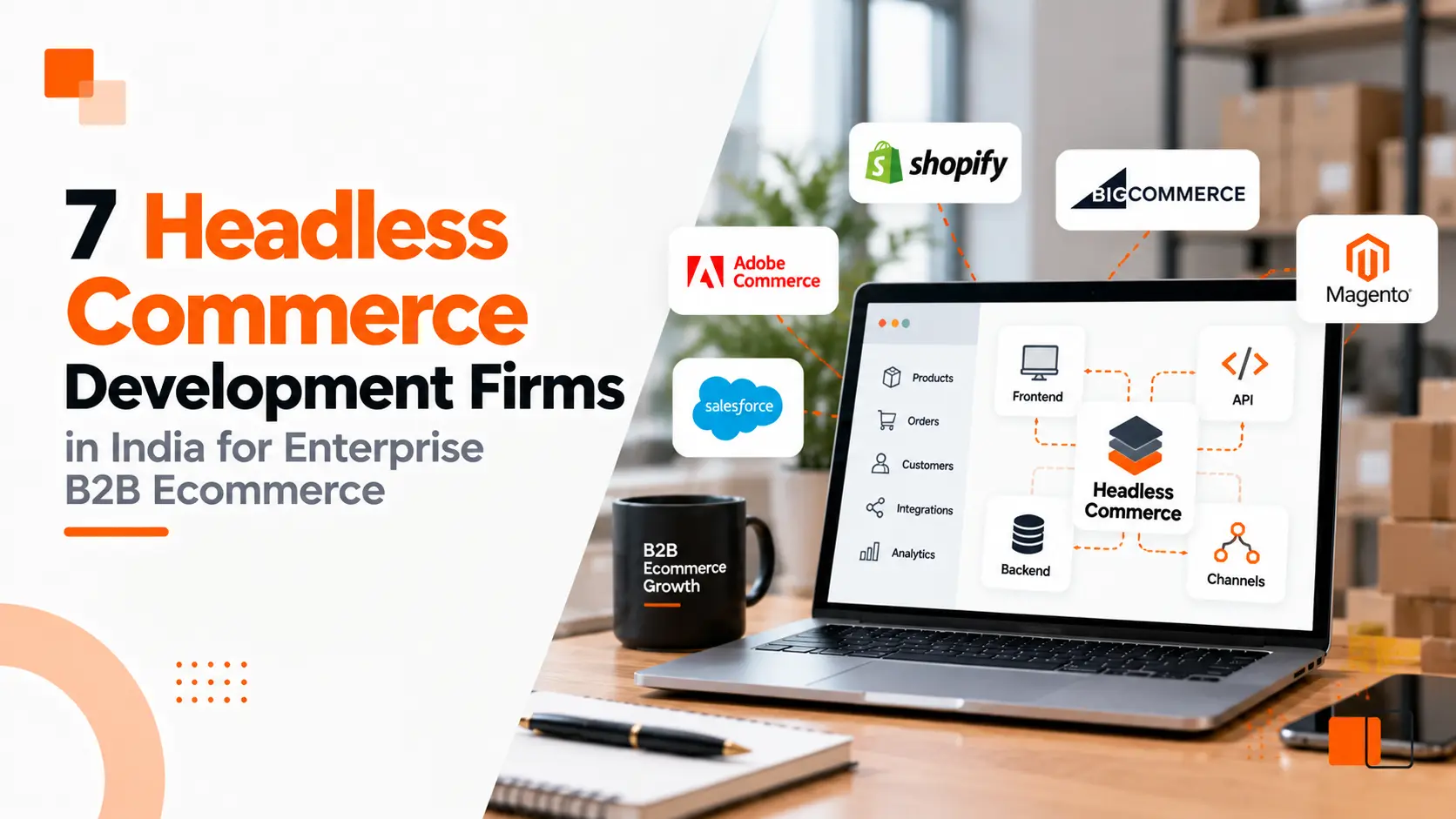
DIT India, 9eCommerce, Brainvire, EmizenTech, Webkul, Edesy, and DIT Interactive are companies worth evaluating. Their strengths vary across storefront development, B2B commerce, marketplaces, healthcare-specific workflows, enterprise systems, and custom integrations.
The exact functionality depends on the products being sold. Common requirements include clear product information, search and filtering, secure checkout, inventory management, mobile-friendly design, account management, shipping integration, and connections with existing business systems.
Yes. B2B medical ecommerce may include bulk ordering, company accounts, customer-specific pricing, approval workflows, large catalogs, ERP integration, and repeat purchasing. Companies with B2B and integration experience are generally more suitable for these projects.
Shopify, BigCommerce, Adobe Commerce/Magento, WooCommerce, and custom ecommerce platforms can all be suitable depending on the business. Product complexity, B2B requirements, integrations, expected order volume, internal systems, and customization needs should guide the platform decision.
Start with your actual business model and product requirements. Compare healthcare or related ecommerce experience, platform knowledge, security practices, API capabilities, integrations, UX, testing, support, and understanding of any special purchasing workflows your products require.
Yes. An international healthcare or medical brand can work with ecommerce developers in India for store development, migration, integrations, maintenance, and custom development. For regulated products, the business should also ensure the final solution meets the legal and compliance requirements of each market where products are sold.