


Frequently Asked Questions
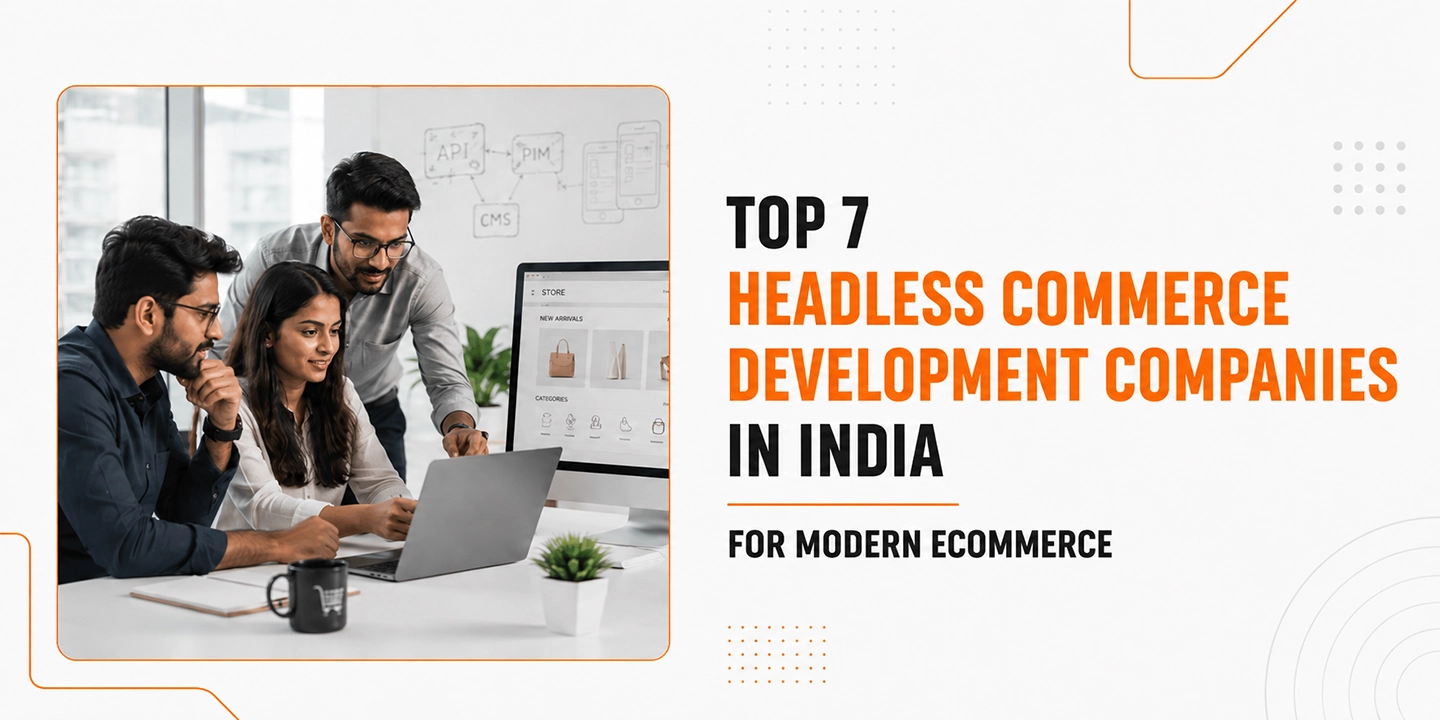
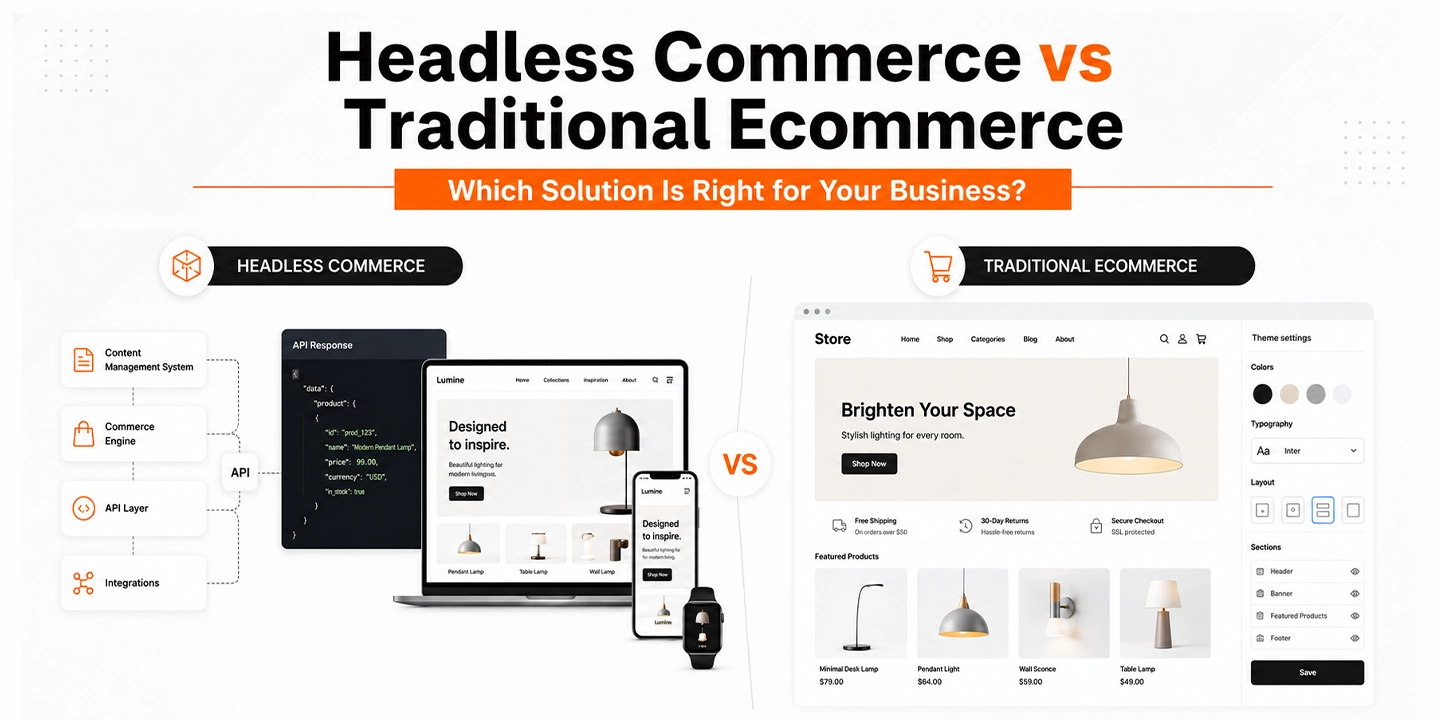
The primary difference is architecture. Traditional ecommerce connects the frontend and backend in a single system, while headless commerce separates them and uses APIs to communicate. This gives businesses greater flexibility, customization, and scalability.
Headless commerce is often better for rapidly growing businesses because it supports advanced customization, omnichannel selling, and scalable digital experiences. Traditional ecommerce works well for businesses with simpler requirements and limited budgets.
Many businesses are adopting headless commerce to improve website performance, deliver personalized customer experiences, support multiple sales channels, and gain greater flexibility for future growth.
Yes, headless commerce typically requires a higher initial investment due to custom development and API integrations. However, it can provide long-term benefits through better scalability, faster performance, and improved customer experiences.
Industries such as fashion, electronics, furniture, home décor, and B2B ecommerce benefit significantly from headless commerce because they often require personalized experiences, complex product catalogs, and omnichannel capabilities.
Yes, businesses can migrate from platforms like Shopify, Magento, WooCommerce, or BigCommerce to a headless architecture. Working with a headless ecommerce development company in India can help ensure a smooth migration process.
Consider factors such as your budget, growth plans, customization requirements, technical resources, and omnichannel goals. Traditional ecommerce is ideal for quick launches and lower costs, while headless commerce is better for businesses seeking flexibility, innovation, and long-term scalability.